
You can start crocheting elegant doilies today without spending a penny on patterns. Free crochet doily patterns are available right now from trusted sources like AllFreeCrochet, which offers thousands of patterns across every skill level, and from creative designers sharing their work through events like the 2026 International Crochet Month Blog Hop hosted by Underground Crafter. One standout this year is the Tuscany Tray Doily by Joanita Theron Designs, a beautiful piece that’s part of a collection featuring eleven handcrafted doilies, each with its own unique design.
The beauty of free patterns is that you get immediate access to professionally designed projects without the trial-and-error of figuring things out alone. Whether you’re new to thread crochet or you’ve been making doilies for years, the right free pattern gives you clear instructions, stitch guidance, and often photo tutorials that walk you through tricky sections. You’ll find everything from simple beginner-friendly rounds to intricate heirloom pieces that challenge even experienced crocheters.
What makes this collection particularly valuable is the variety. You’re not stuck with one style or difficulty level. Some patterns work up quickly in an afternoon using bulky thread, while others become weekend projects that showcase advanced techniques like pineapple stitches or picot edges. The key is knowing where to find quality patterns and how to choose one that matches both your skill level and your vision for the finished piece.
How We Chose These Free Doily Patterns
Finding quality free doily patterns among thousands online requires a discerning eye. We carefully curated this collection using strict criteria to ensure you get patterns worth your time and thread. Every design featured here comes from verified sources where you won’t hit paywalls or broken links.
Our selection process focused on six key factors:
- Pattern clarity, clear written instructions with helpful stitch counts and diagrams
- Verified free access, genuinely no-cost patterns, not trials or registration traps
- Designer credibility, patterns from established crocheters with proven track records
- Skill level range, options for complete beginners through advanced lace makers
- Design variety, diverse shapes, sizes, and styles from classic to contemporary
- Current availability, patterns accessible right now, tested within the past month
We sourced patterns from AllFreeCrochet, which maintains thousands of free crochet patterns with active community reviews. Several designs come from the 2026 International Crochet Month Blog Hop hosted by Underground Crafter, featuring eleven handcrafted doilies with unique designs from talented independent designers. This combination of established platforms and current designer showcases ensures you’re getting tested, accessible patterns that other crocheters have successfully completed.
1. Tuscany Tray Doily, Perfect for Serving in Style
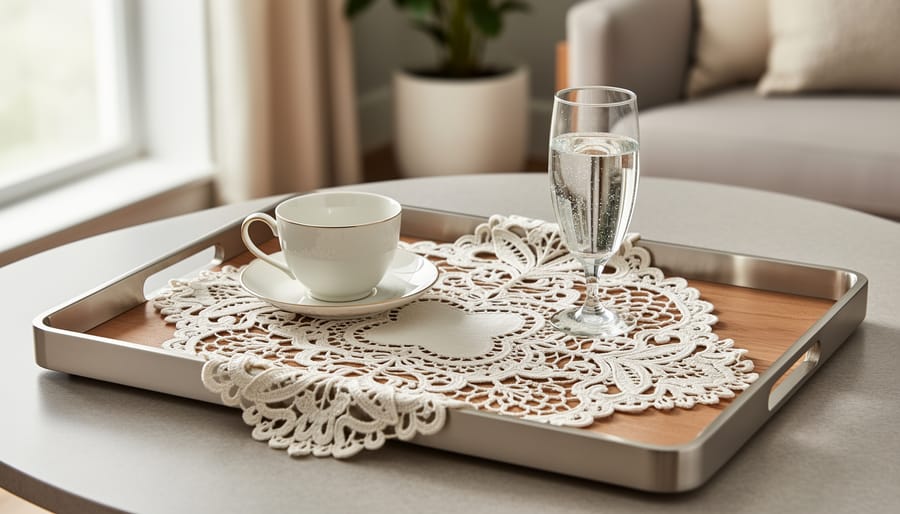
The Tuscany Tray Doily by Joanita Theron Designs stands out as one of eleven unique patterns featured in the 2026 International Crochet Month Blog Hop, hosted by Underground Crafter. This elegant design transforms any serving tray into a sophisticated presentation piece, combining vintage charm with practical functionality.
What makes this pattern special is its tailored sizing for decorative trays. The geometric lace motif creates an eye-catching foundation for tea service, breakfast in bed, or displaying collectibles. You’ll work with delicate threadwork that produces crisp, defined edges, perfect for showcasing your crochet skills.
The pattern suits confident beginners ready to tackle more detailed instructions and intermediate crocheters looking for a quick, impressive project. Expect to spend a weekend completing it, depending on your pace and thread choice.
You can access the free Tuscany Tray Doily pattern on Creative Crochet Workshop’s blog. The pattern includes clear instructions and guidance for achieving the refined look that makes this doily ideal for gifting or elevating your own home decor. It’s an excellent introduction to functional doily crocheting that goes beyond traditional table centerpieces.
2. Classic Pineapple Doily, Timeless Elegance
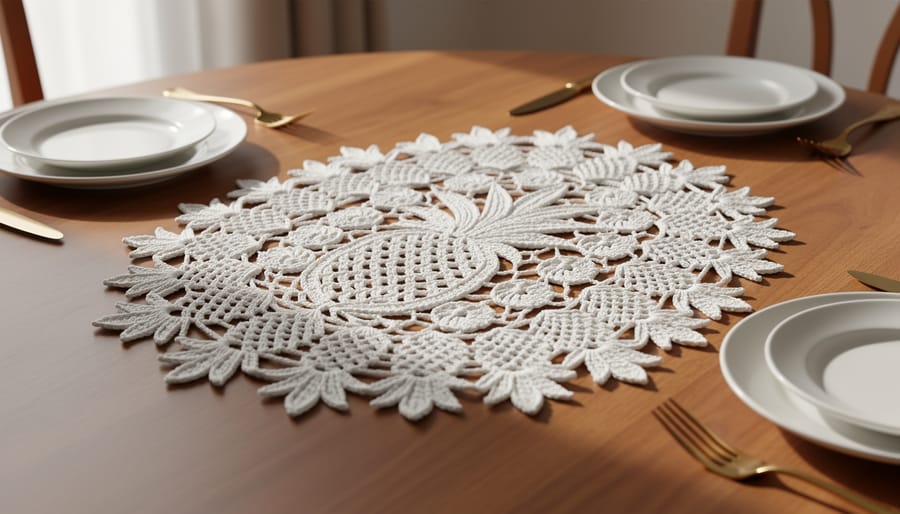
The pineapple doily stands as crochet’s most recognizable pattern, beloved for over a century because its teardrop-shaped motifs create stunning texture and movement. This intermediate-level design challenges you with clusters of chains and double crochets that fan outward like pineapple scales, building dimensional waves across the fabric. You’ll typically work from the center outward, watching each round grow as repeating pineapple sections emerge.
Most traditional pineapple doilies finish between 12 and 16 inches in diameter, making them ideal as table centerpieces or layered under lamps and vases. The iconic motif scales beautifully, you’ll find free variations ranging from 8-inch accent pieces to ambitious 24-inch tablecloths. Expect to invest 8 to 12 hours on a standard round version using size 10 crochet thread.
The pattern’s rhythm becomes meditative once you complete the first few pineapple repeats. You’re building shells that decrease strategically, creating the signature tapered shape. AllFreeCrochet offers dozens of free pineapple doily variations, from classic circular designs to oval table runners and square adaptations. Search their collection for versions matching your skill comfort zone, some simplify the stitch count for confident intermediates, while others add picot edgings and elaborate borders for advanced crocheters ready to showcase their technique.
3. Simple Beginner’s Round Doily, Your First Project
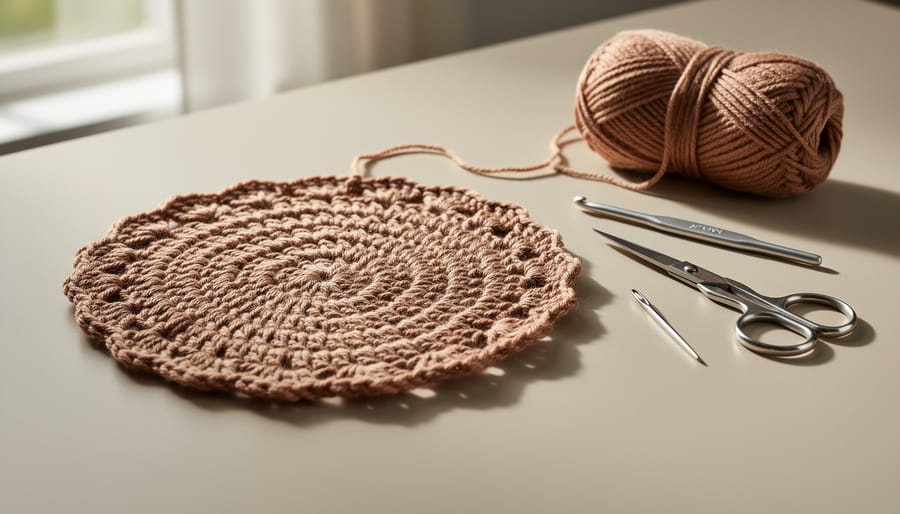
If you’ve never crocheted a doily before, a simple round pattern is your best starting point. These beginner-friendly designs typically use just two stitches, chain and double crochet, arranged in expanding circular rounds that build confidence with each completed row.
A classic beginner’s round doily starts with a magic ring center and grows outward through five to eight rounds, taking most newcomers just two to four hours to complete. The repetitive nature of circular construction means you’ll master the basic stitches quickly while creating something genuinely beautiful for your home.
Look for patterns labeled “beginner” or “easy” that specify worsted weight cotton yarn rather than fine thread. This allows you to work with a larger hook (size G or H) and see your stitches clearly as you learn. The finished doily makes a perfect trivet, placemat, or decorative accent, proof that even your first project can be both practical and display-worthy.
Starting simple builds the skills you’ll need for more intricate designs later. Once you’ve completed one round doily, you’ll understand pattern structure and feel ready to tackle patterns with more complex stitch combinations.
4. Vintage Lace Star Doily, Heirloom Quality
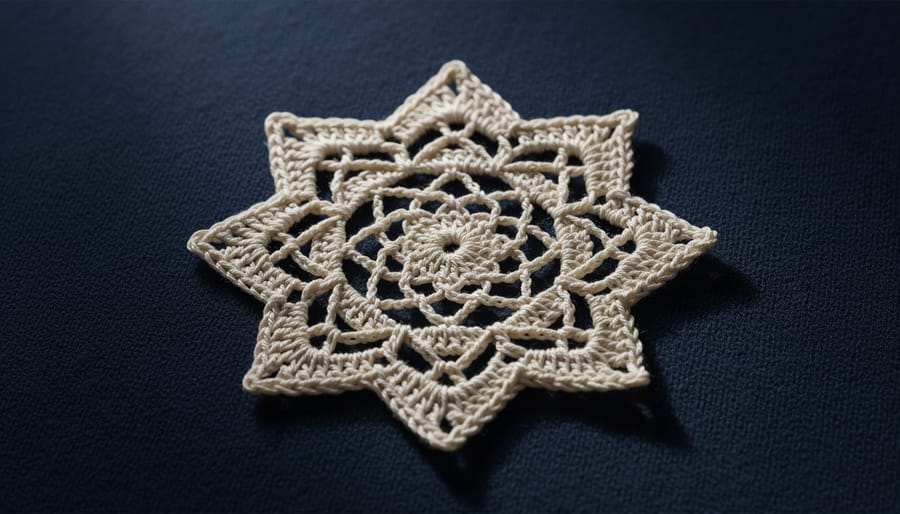
The vintage lace star doily represents everything magical about heirloom crochet. This pattern transforms fine thread into a stunning multi-pointed star, typically featuring 6-8 delicate arms radiating from an intricate center medallion. The lacework creates negative space between elaborate picots and shell stitches, giving the finished piece an ethereal, almost architectural quality.
Working with size 20 or finer crochet thread, you’ll build layers of detail that echo Victorian-era craftsmanship. Each star point demands careful attention to tension and stitch count, but the symmetry makes mistakes easy to catch. Advanced beginners comfortable with basic stitches can tackle simpler star variations, while intermediate crocheters will appreciate patterns incorporating popcorn stitches and intricate edgings.
Display possibilities extend far beyond traditional table use. Frame your finished star doily in an embroidery hoop as wall art, layer it over colored fabric to highlight the lace pattern, or use it as a stunning tree topper during holidays. The satisfaction comes from creating something genuinely lasting, a piece your grandchildren might treasure, blocked and starched to crisp perfection, bearing the unmistakable mark of handmade care that machine production simply can’t replicate.
5. Mini Coaster Doilies Set, Practical and Pretty
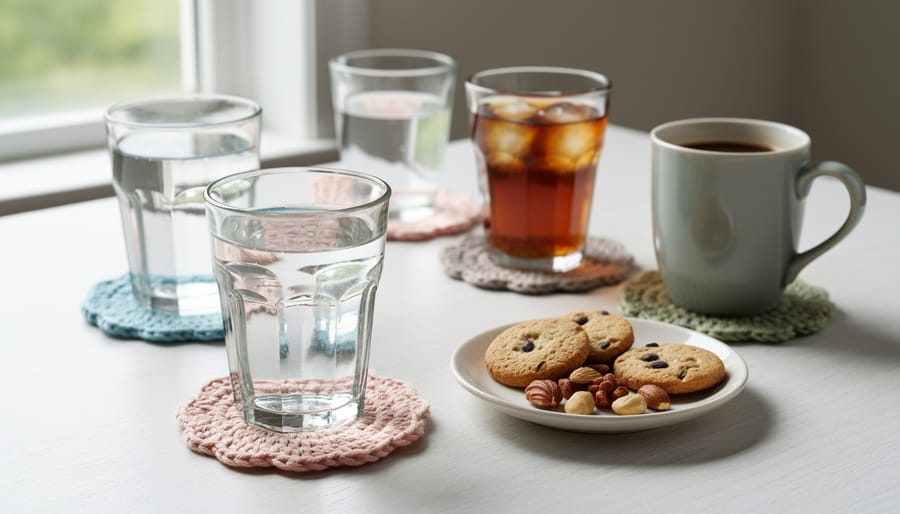
Mini coaster doilies solve a practical problem while adding handmade charm to your daily coffee or tea ritual. These petite designs typically measure 3-4 inches in diameter, making them quick weekend projects you can complete in an hour or two. You’ll work through the same elegant stitches as larger doilies but finish fast enough to create an entire set before Sunday dinner.
The beauty of coaster-sized doilies lies in their versatility. They protect furniture from water rings and heat while looking infinitely prettier than store-bought cork versions. Stack four matching coasters with a ribbon for instant housewarming gifts, or mix complementary patterns for an eclectic collection that sparks conversation.
These mini projects shine as stash-busters. That partial ball of size 10 thread leftover from your last tablecloth? Perfect for a coaster. You can experiment with color combinations risk-free since each piece requires minimal investment. Try variegated threads for automatic visual interest, or work solid colors that coordinate with your kitchen palette. The compact size also makes coaster patterns ideal confidence-builders before tackling larger, more intricate doily designs.
6. Floral Motif Square Doily, Modern Twist on Tradition
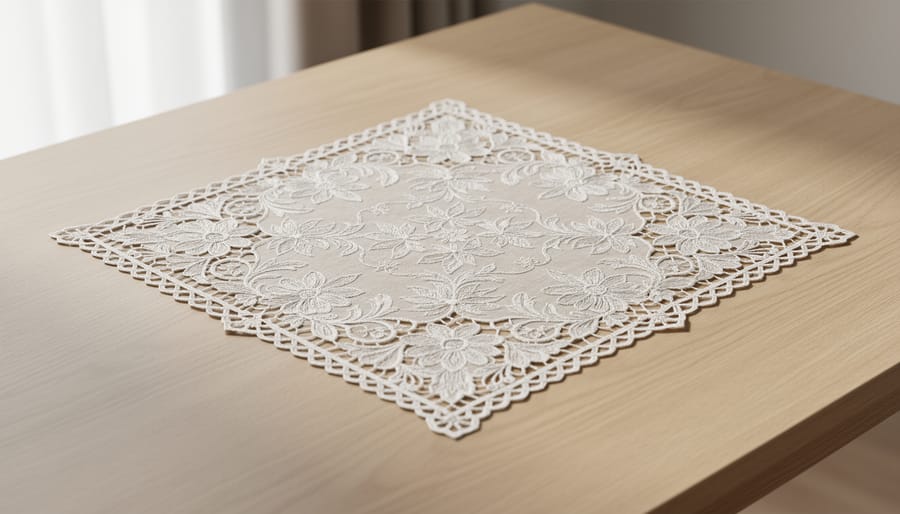
Square doilies break free from the traditional round format, and floral motif designs bring fresh energy to this geometric approach. These patterns typically feature flowers blooming from the center or corners, creating visual interest while maintaining clean, modern edges that work beautifully in contemporary homes.
The square shape makes these doilies incredibly versatile for decorating. Place one under a table lamp or vase for instant polish, or arrange multiple squares side-by-side to create a stunning table runner for dining tables or console surfaces. Many crafters combine four or six identical square doilies into larger bedspreads or throw blankets, making this pattern choice a smart foundation for ambitious future projects.
Most floral square patterns sit at the intermediate level, incorporating cluster stitches or popcorn stitches to create dimensional petals alongside familiar chain spaces and double crochets. Expect to spend four to six hours completing a standard eight-inch square, though the flat edges make blocking considerably easier than circular designs. The structured corners also mean your finished piece lies perfectly flat without extensive pinning.
7. Irish Rose Doily, Romantic Centerpiece
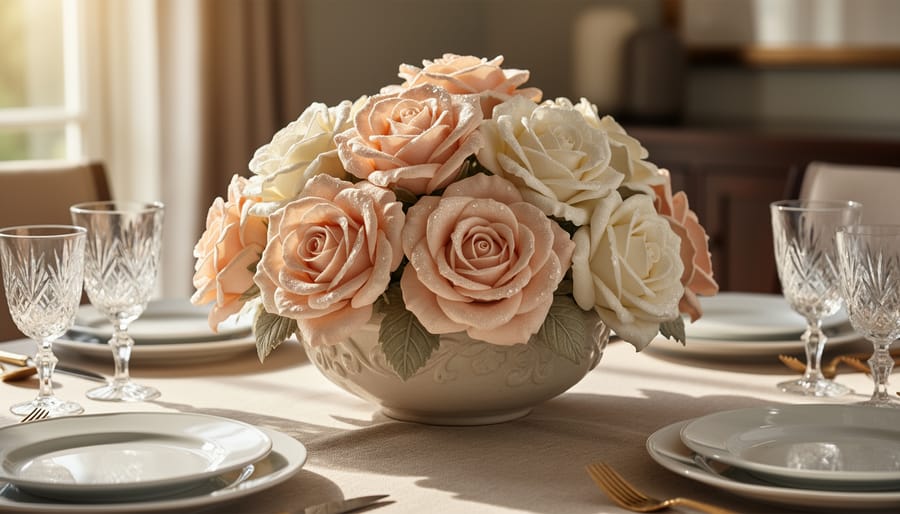
The Irish Rose Doily transforms traditional crochet into sculptural art with its three-dimensional raised petals that seem to bloom from the fabric itself. Unlike flat motifs, this pattern creates layered roses that stand proud of the base, casting delicate shadows and adding remarkable depth to your finished piece.
This design demands advanced intermediate skills, you’ll work with intricate petal construction, strategic increases to create dimensional curves, and often multiple rounds of post stitches to build the raised effect. The pattern typically combines fine crochet thread (size 10 works beautifully) with techniques like bullion stitches or clusters that form the signature textured petals. Expect to invest 15-20 hours for a 12-inch centerpiece, though the stunning result justifies every stitch.
When displayed on a dining table or sideboard, the Irish Rose Doily becomes an instant conversation piece. The dimensional roses catch light from different angles, creating visual interest that flat patterns simply can’t match. It’s particularly striking under a clear glass vase or lamp base, where the raised texture becomes a focal point. If you’ve mastered intermediate patterns and want to challenge yourself with dimensional work, this romantic design delivers heirloom-quality impact worthy of special occasions.
8. Snowflake Doily, Winter Wonder
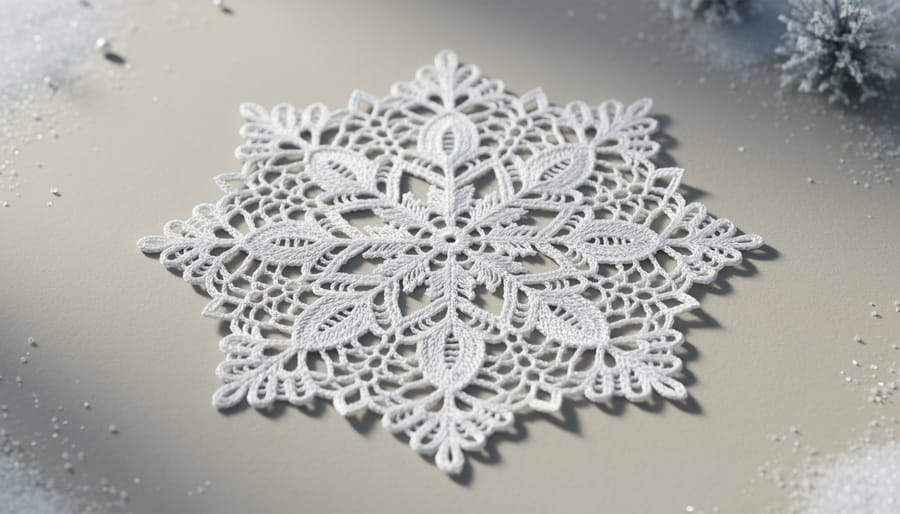
The Snowflake Doily captures winter’s crystalline beauty in thread, making it a seasonal favorite that transitions beautifully from holiday decor to year-round display. This pattern features six-pointed symmetry that mirrors nature’s ice crystals, typically working up to 10-12 inches in diameter with white or ecru thread for classic appeal.
The delicate, open lacework creates an airy, intricate appearance that looks stunning hanging in windows where light filters through the geometric openings. Intermediate crocheters appreciate the rhythmic repetition of the snowflake arms, which makes the pattern easier to memorize than it initially appears.
This design shines as a thoughtful handmade winter gift, frame it as wall art, use it as a tree topper, or present it as a keepsake ornament. The pattern works beautifully with the best supplies including size 10 crochet thread and a 1.5mm hook. Consider making multiple snowflakes in varying sizes to create a coordinated winter display, or incorporate them into your craft supplies collection for mixed-media holiday projects.
Expert Tips for Successful Doily Crocheting
Success with doily crochet starts at the thread counter. Size 10 crochet thread works up faster and shows stitch definition more clearly, ideal for beginners tackling their first round or square doily. Size 20 creates finer, more delicate lace that suits intricate vintage patterns like the Irish Rose or snowflake designs, but demands sharper vision and steadier hands. Match your steel hook to the thread: a size 7 or 8 hook pairs well with size 10 thread, while size 20 thread needs a 10 or 12. The right combination prevents puckering and keeps your gauge consistent across rounds.
Blocking transforms a crumpled work-in-progress into a crisp, exhibition-worthy piece. Pin your finished doily to a blocking board or foam mat, stretching it gently to reveal the pattern’s full geometry. Mist it lightly with water or a 50/50 mix of water and liquid starch, then let it dry completely before unpinning. For stiffer results, especially on coasters or tray doilies like the Tuscany design, soak the finished piece in undiluted fabric stiffener, shape it while damp, and allow it to dry flat.
Vintage patterns often assume you know abbreviations like “tr tr” (triple treble) without explaining them, while modern patterns spell everything out and include stitch counts at round ends. If a 1950s pattern feels cryptic, cross-reference a stitch glossary before you start. Tension matters more in thread work than yarn projects: too tight and your doily cups inward, too loose and it looks limp. Practice maintaining even tension by letting the thread flow smoothly over your finger without yanking or slackening mid-round.
Understanding Doily Pattern Difficulty Levels
Understanding difficulty levels helps you choose patterns that match your current skills while providing a clear path for growth. Beginner doily patterns typically use basic stitches like chain, single crochet, and double crochet arranged in simple circular rounds. They feature straightforward written instructions, minimal stitch variations, and usually complete in 3-5 hours. These projects build your confidence with thread weight and teach fundamental techniques like counting stitches and joining rounds.
Intermediate patterns introduce picots, shell stitches, cluster combinations, and chart reading alongside written directions. Expect more complex shaping, stitch count increases, and decorative elements that require closer attention. Time investment jumps to 8-15 hours depending on size. These designs teach you to recognize pattern repeats and manage multiple stitch types within a single round.
Advanced doilies demand mastery of intricate lacework, dimensional elements like Irish roses, and often chart-only instructions in vintage patterns. They involve elaborate stitch sequences, frequent stitch count changes, and meticulous tension control. Completion may take 20-40 hours for larger, detailed pieces. These projects reward patience with stunning heirloom-quality results.
Progress confidently by mastering one level thoroughly before advancing. Complete at least three beginner doilies to cement your foundation, then tackle intermediate patterns that introduce one or two new techniques at a time. Proper care and preservation of your finished work ensures your skills showcase beautifully for years.
Materials You’ll Need to Get Started
Getting started with doily crochet doesn’t require a huge investment, but choosing the right materials makes a real difference in your finished piece. Thread weight dramatically affects the final look: size 10 crochet thread creates slightly heavier, quicker-to-work doilies perfect for beginners, while size 20 or finer produces delicate, lace-like results that showcase intricate stitchwork beautifully. For hooks, you’ll need steel crochet hooks ranging from size 6 to 14 (smaller numbers mean larger hooks), with size 7 or 8 being the sweet spot for most patterns using size 10 thread.
Here’s what you’ll need to gather:
- Crochet thread in size 10 or 20 (100% cotton works best for blocking and holds shape well)
- Steel crochet hooks sizes 6-14 (match to your thread weight as pattern directs)
- Blocking pins (rustproof T-pins or glass-head pins prevent staining)
- Blocking board or foam mat (even a towel over cardboard works in a pinch)
- Starch or fabric stiffener spray for crisp, professional results
- Scissors and tapestry needle for weaving in ends
- Optional: stitch markers, ruler or measuring tape, pattern magnifier for fine print
For budget-friendly sourcing, check craft store clearance sections where crochet thread often goes on sale, explore online marketplaces for multi-pack thread deals, and consider starting with basic white or ecru thread before investing in specialty colors. Many experienced crocheters find their local thrift stores carry vintage thread spools at unbeatable prices, though you’ll want to check for brittleness before committing to a full project.
Where to Find More Free Doily Patterns
Beyond the patterns featured here, you’ll find thousands more free doily designs across several trusted platforms. AllFreeCrochet hosts an extensive library with hundreds of doily patterns organized by difficulty level, style, and size, their search filters help you quickly find exactly what you’re looking for. The platform’s community reviews provide honest feedback on pattern clarity and accuracy before you commit your time.
Ravelry remains the gold standard for pattern searches, with advanced filtering options that let you sort free doily patterns by weight, yardage, and designer. User project photos show how patterns turn out in real hands, not just the designer’s sample, which helps you set realistic expectations.
For seasonal and themed collections, check the Underground Crafter’s 2026 International Crochet Month Blog Hop, which features eleven unique doily designs from various contributors. These curated blog hops typically run throughout March, giving you access to fresh patterns from established designers.
Individual designer blogs often share free patterns as introductions to their work. Look for designers with clear photography, thorough instructions, and active comment sections where they answer questions.
Before starting any free pattern, scan the comments or project notes. Patterns with multiple successful completions and positive feedback save you the frustration of unclear instructions or errors.
Common Doily Crocheting Questions
What’s the difference between doilies and mandalas?
Doilies traditionally use fine crochet thread and feature delicate, lacy patterns meant for functional decor like table protection. Mandalas typically use worsted-weight yarn, focus on bold colors and spiritual symbolism, and serve primarily as decorative wall art rather than functional pieces.
How long does a doily take to make?
Simple beginner doilies can be completed in 2-4 hours, while intermediate designs like the Tuscany Tray Doily typically require 6-10 hours. Advanced vintage patterns with intricate lacework may take 15-20 hours or more, depending on size and your crocheting speed.
Can you use regular yarn instead of thread?
Yes, but it changes the final look completely. Regular yarn creates a thicker, more casual piece that works well for coasters or trivets. For traditional delicate doilies with crisp stitch definition, stick with size 10 or 20 crochet thread.
How do you wash and care for finished doilies?
Hand wash doilies in cool water with gentle detergent, then rinse thoroughly. Block them while damp using rust-proof pins to restore their shape, and let air dry completely. Store flat or loosely rolled to prevent permanent creases.
What’s the best way to gift a handmade doily?
Present your doily freshly blocked and slightly starched for maximum impact. Place it in a clear protective sleeve or frame it in an embroidery hoop for display. Include care instructions and mention the hours invested to help recipients appreciate the handmade value.
Once you’ve mastered the basics with these patterns, you’ll find endless inspiration across other more free crochet projects and techniques. The skills you develop working with fine thread translate beautifully to larger projects. Many crafters who start with doilies discover a passion for thread work that extends to bookmarks, edgings, and even wearable lace. If you’re curious about expanding your skills beyond doilies, platforms offering free crochet patterns provide thousands of options to explore different techniques while keeping your hobby budget-friendly.
You now have fifteen free patterns at your fingertips, from simple beginner rounds to the elegant Tuscany Tray Doily featured in the 2026 International Crochet Month Blog Hop. The beauty of this craft is that every doily you make teaches you something new. Start with a straightforward design to build your confidence, then challenge yourself with those intricate vintage patterns you’ve been admiring.
Don’t skip the blocking step. It transforms even the simplest doily into a crisp, professional piece you’ll be proud to display or gift. Whether you’re drawn to the eleven unique designs in current collections or prefer exploring thousands of variations on pattern sites, each finished piece becomes a tangible reminder of what your hands can create. Share your completed doilies with the crochet community online. Your first attempt might have wobbly edges, but your tenth will rival those vintage heirlooms that inspired you to pick up a hook in the first place.