You can find dozens of free crochet shawl patterns designed for beginners and quick projects online, and the easiest options share three traits: simple stitches (usually just single or double crochet), repetitive rows that build muscle memory fast, and forgiving yarn weights that hide minor tension issues. If you’re new to shawl-making or simply want a project you can finish in a weekend without consulting a pattern every two minutes, targeting designs with minimal stitch variety and straightforward shaping will save you hours of frustration.
The best beginner shawl patterns skip complex lace charts and intricate colorwork in favor of meditative, repetitive sequences. You’ll work mostly in basic stitches, often in a triangle or rectangle shape that grows predictably with each row. Most can be completed in 10 to 20 hours depending on your speed and chosen yarn weight, making them perfect for gifting or building confidence before tackling more advanced lacework.
What makes a pattern truly easy isn’t just the stitch count. It’s clarity in the instructions, minimal increases or decreases to track, and a finished size that doesn’t require you to crochet a bedspread-sized piece. The eight patterns ahead meet all those criteria, offering free downloads and designs vetted for genuine beginner-friendliness. Each includes notes on yarn suggestions, hook sizes, and why that particular pattern works well for first-time shawl crocheters, so you can pick the style that fits your skill level and aesthetic preferences right now.
How We Chose These Free Crochet Shawl Patterns
When we set out to curate these eight shawl patterns, we wanted to ensure that every single one genuinely lived up to the promise of being “easy” and truly free, no hidden paywalls, no overly complex techniques disguised as beginner-friendly. We tested each pattern against strict criteria because we know there’s nothing more frustrating than starting a project labeled “easy” only to find yourself tangled in confusing instructions or unexpected skill requirements.
So what makes a crochet shawl pattern truly easy? It comes down to three core elements: simple, repetitive stitches that you’ll master within the first few rows; minimal shaping or construction challenges (no intricate increases that require constant counting); and a forgiving structure where small tension variations won’t ruin the finished piece. The best beginner shawls let you relax into a rhythm rather than stress over every stitch.
Each pattern in our collection was evaluated against these specific criteria:
- Uses only basic stitches (single crochet, double crochet, chain, and simple clusters)
- Requires three skeins or fewer of widely available yarn weights
- Includes clear, well-tested written instructions with stitch counts
- Suitable for confident beginners through intermediate crocheters
We also verified that each pattern is genuinely free to download without requiring newsletter signups or purchases, and that the instructions are complete, not just a teaser for a paid version. These eight represent different construction methods (triangles, rectangles, modular) and style approaches, so whether you prefer texture, lace, or solid warmth, you’ll find an option that matches both your skill level and your aesthetic preferences.
1. Simple Triangle Shawl with Single Crochet Increases
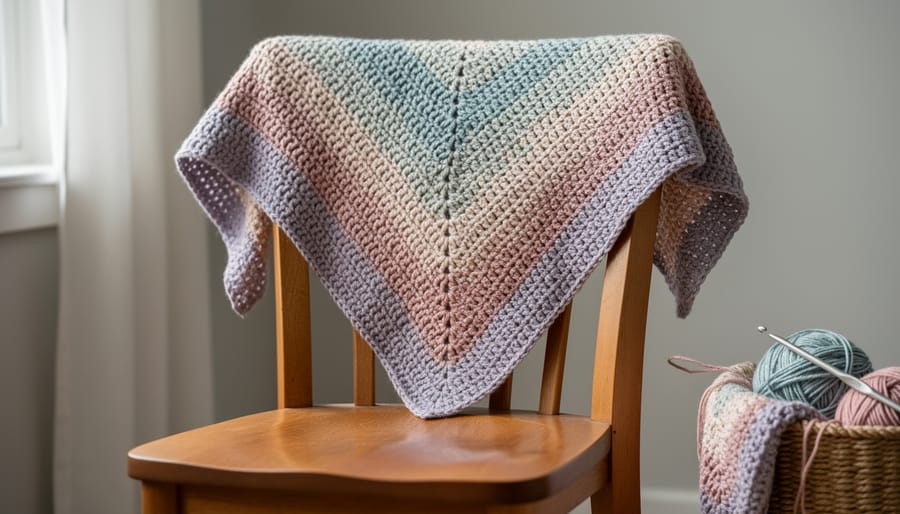
This triangle shawl is the perfect entry point into shawl-making because it relies on just two fundamental stitches you probably learned in your first week of crochet. You start with a few chain stitches at the top center point and work downward, adding simple increases at each edge and in the center to create the triangular shape. The entire project uses single crochet and chain stitches, which means you can focus on understanding how shawl construction works without wrestling with unfamiliar stitch techniques.
What makes this pattern genuinely beginner-friendly is the forgiving nature of single crochet fabric. If your tension wobbles a bit or you miscount a stitch here and there, the dense, even texture hides small mistakes beautifully. The repetitive rhythm of working the same stitches row after row becomes meditative quickly, and you’ll see real progress within your first sitting.
For yarn, medium-weight options work best while you’re learning. A worsted weight acrylic or acrylic blend in a solid color lets you see your stitches clearly and won’t break your budget while you practice. Avoid fuzzy or dark yarns for your first attempt, as they make it harder to spot where your hook should go. Most crocheters complete this shawl in 8 to 12 hours of actual hook time, spread across a few evenings.
The real beauty of this pattern is that once you understand the basic increase structure, you can customize the size endlessly. Stop when it’s shoulder-width for a small wrap, or keep going until you run out of yarn for a generous lap blanket. Many crocheters make this pattern repeatedly, experimenting with different yarn weights and colors once they’ve mastered the technique.
2. Granny Square Shawl in Worsted Weight
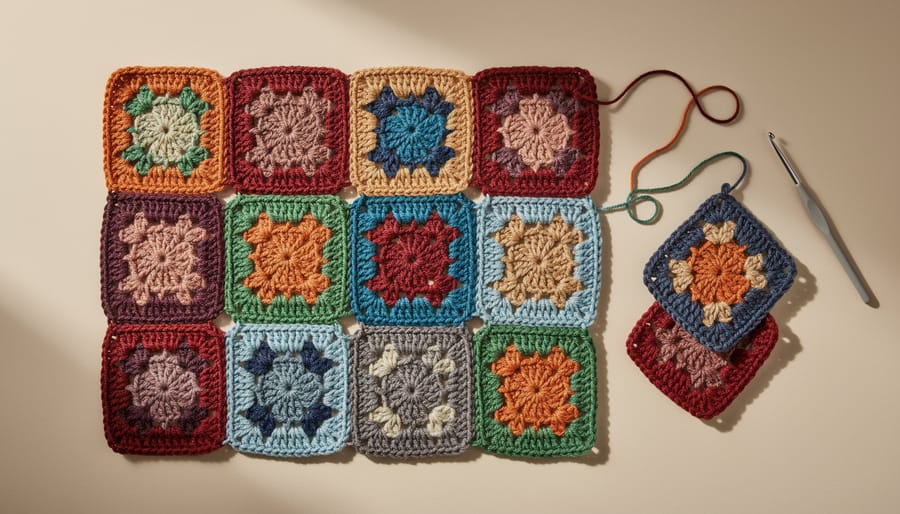
The granny square shawl takes one of crochet’s most beloved motifs and transforms it into a wearable project that feels approachable from the very first stitch. Instead of tackling a large piece all at once, you’ll create individual granny squares, typically ranging from 4 to 6 inches each, then join them together to form a triangular or rectangular shawl. This modular approach means you’re never staring down a massive, intimidating project on your hook.
Each square uses the classic granny pattern: chains, double crochets worked in clusters, and chain spaces that create the signature openwork look. Because you’re working in rounds that build outward from the center, you’ll see progress immediately. Finish one square during your morning coffee, another while watching TV, and before you know it, you have enough motifs to assemble your shawl.
Color changes become genuinely fun with this pattern type. You might make each square in a different shade for a scrappy rainbow effect, create an ombre gradient by gradually shifting colors, or alternate two colors in a checkerboard layout. The distinct boundaries between squares give you clear spots to switch yarns without worrying about seamless transitions.
Worsted weight yarn works beautifully for this pattern because it creates squares that are substantial enough to block nicely yet still show off the granny stitch’s airy texture. If you’re interested in exploring similar openwork patterns for smaller projects, check out these crochet lace ideas that use comparable stitch techniques.
When you’re ready to assemble, you have options: whipstitch squares together with a yarn needle for an invisible join, use slip stitches for a flat seam, or try the join-as-you-go method that connects squares during your final round. Blocking each square before joining ensures uniform sizing and crisp stitch definition.
3. V-Stitch Rectangle Wrap
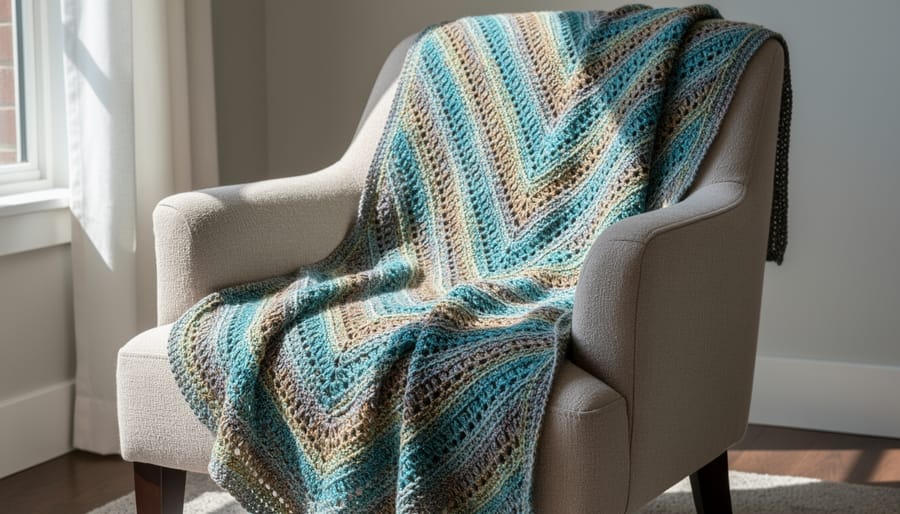
The V-stitch rectangle wrap offers an excellent balance of simplicity and visual appeal, making it a go-to choice for crocheters who want something elegant without complexity. Unlike shaped shawls that require careful increases, this rectangular design lets you crochet in straight, meditative rows from one end to the other.
The V-stitch itself couldn’t be simpler: you work a double crochet, chain one, then another double crochet, all into the same stitch. These small V-shaped clusters create natural spaces in the fabric, giving the wrap an open, lacy appearance while maintaining enough structure to drape beautifully over your shoulders. If you can chain and work a basic double crochet, you can master this stitch in minutes.
What makes this pattern particularly forgiving is its flexibility. Want a narrow scarf-like wrap? Start with fewer foundation chains. Prefer a generous shoulder-covering shawl? Add more chains in multiples that accommodate the stitch repeat. You control the final dimensions simply by deciding when to stop adding rows, which means you can adjust the project to match your available yarn rather than running short mid-pattern.
For the best drape, choose yarns with good stitch definition and natural flow. Bamboo blends, cotton-acrylic mixes, and lightweight wools work beautifully, allowing the V-stitch pattern to show clearly while creating that coveted fluid movement when worn. Avoid overly stiff acrylics or highly textured novelty yarns that can obscure the stitch detail. Sport or DK weight yarns typically produce the most wearable results, though fingering weight creates an ethereal, delicate wrap perfect for cool summer evenings.
4. Half-Circle Lace Shawl with Shell Stitches
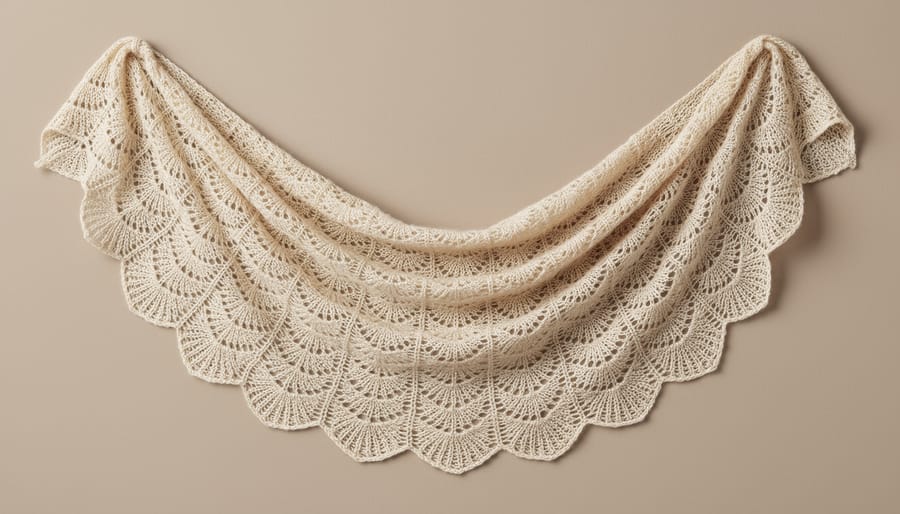
The half-circle lace shawl offers an elegant silhouette that drapes beautifully across your shoulders while remaining genuinely accessible for confident beginners. This construction works from the center top edge outward in expanding rows, creating a gentle crescent shape that needs no complex shaping calculations.
Shell stitches form the heart of this pattern, typically worked as clusters of multiple double crochets into the same stitch, separated by chain spaces. The pattern reads as “(3 dc, ch 1, 3 dc) in next stitch” and repeats across, building those characteristic scalloped edges that look far more intricate than they actually are. You’re essentially repeating the same cluster over and over, making it meditative once you establish the rhythm.
The key to success lies in working your increases evenly to maintain the semi-circular shape. Most patterns achieve this by adding extra shells at regular intervals or placing additional chain spaces between clusters as rows progress. Count your stitches at row ends, if your edges start pulling inward, you’re not adding shells quickly enough; if they ruffle or wave, you’re increasing too aggressively.
Lightweight yarns showcase the lacy structure best. Fingering-weight or sport-weight yarns in cotton, bamboo blends, or soft acrylics drape gracefully without weighing down the openwork. Darker solid colors can obscure the shell detail, so consider pastels, whites, or hand-dyed variegated yarns that highlight the stitch pattern. A larger hook (one or two sizes up from yarn recommendations) enhances the airy quality.
Block this shawl carefully after completion, pinning out each scallop along the curved edge to reveal the full lace effect.
5. Corner-to-Corner Triangle Shawl
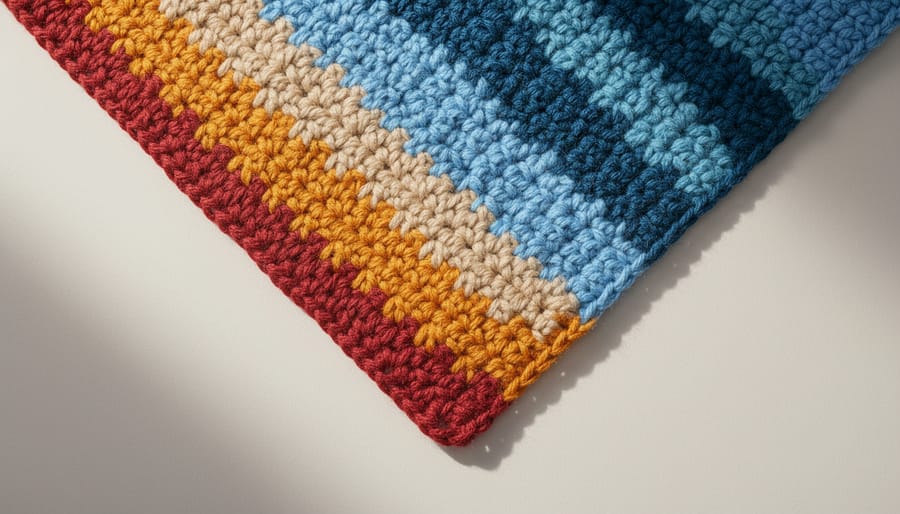
The corner-to-corner triangle shawl offers a refreshingly different approach to shawl construction, working diagonally from one point to create a natural triangle shape. Despite its fancy name, the C2C technique is surprisingly straightforward, built entirely on repeating a simple cluster of chains and double crochets that creates small squares as you go.
Here’s why C2C is easier than it looks: you work in short rows that gradually increase until you reach your desired size, then decrease the same way. Each row builds on the previous one using the same motions, making it almost meditative once you get the rhythm. You’re essentially making tiny boxes that stack on each other diagonally, and because you’re working small sections at a time, there’s no intimidating expanse of stitches to manage.
The real genius of this construction is how it handles color changes. Want bold stripes? Switch yarns at the start of each row. Prefer a gradient fade? Change colors gradually as you increase. The boxed structure also means you can create pixelated designs or geometric patterns without complicated colorwork techniques.
This pattern is perfect for using up your yarn stash, since you can switch colors whenever a skein runs out without disrupting the pattern. The diagonal texture creates visual interest even in solid colors, and the finished triangle drapes beautifully thanks to the bias grain created by the construction method.
Most C2C shawl patterns work up quickly in worsted or bulky weight yarns, and the repetitive nature means you can crochet while watching TV without constantly checking your pattern.
6. Ripple Stitch Prayer Shawl
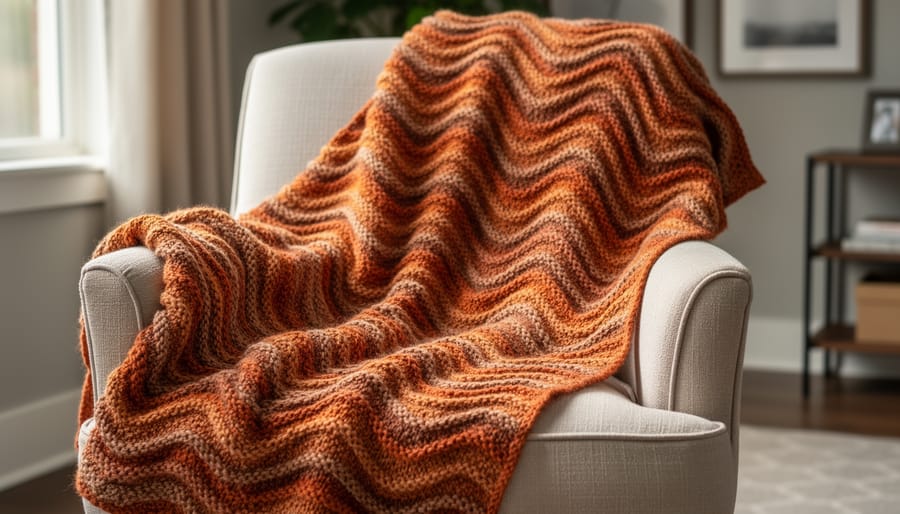
The ripple or chevron stitch prayer shawl holds a special place in the crochet community. This rectangular pattern uses simple increase and decrease clusters to create gentle waves across the fabric, producing a meditative rhythm that many crafters find comforting to work. The traditional prayer shawl dimensions, around 27 inches wide by 60 to 80 inches long, make this an ideal project for gifting to someone facing illness, loss, or a life transition.
What makes this pattern approachable is its repetitive nature. Once you complete the first two rows, you’ve mastered the entire stitch sequence. You’ll work clusters of three double crochets in the peak positions and skip stitches in the valley positions, creating the characteristic wave. The key to even ripples lies in consistent tension and counting your stitches carefully in the first few rows until the pattern becomes automatic.
Yarn yardage matters here. A standard prayer shawl requires 1,200 to 1,600 yards of worsted or aran weight yarn, depending on your desired length. Soft, drapable fibers like acrylic blends or superwash merino work beautifully, providing warmth without excessive weight. Many crafters choose colors with symbolic meaning, blues for calm, greens for healing, or warm earth tones for comfort.
If you’re enjoying this project and want to explore more free crochet patterns suitable for gifts, tank tops and garments offer another rewarding avenue. The ripple shawl’s forgiving structure means slight tension variations won’t ruin the finished piece, and the rectangular shape requires no shaping decreases or complex edging.
7. Moss Stitch Triangle Wrap
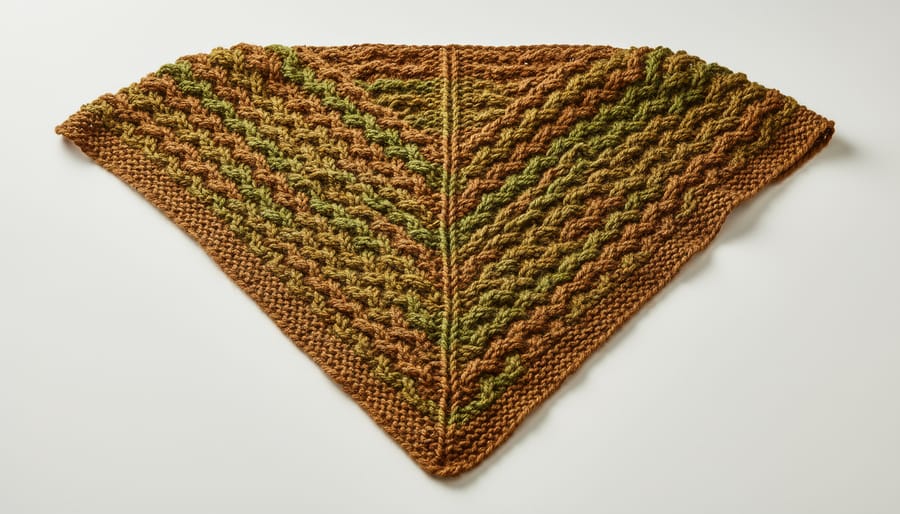
The moss stitch triangle wrap offers a wonderful middle ground between delicate lace shawls and dense, heavy wraps. This pattern creates a beautifully textured fabric using only single crochet and chain stitches worked in an alternating pattern, producing a subtle, bumpy texture that’s visually interesting without being overly complex.
What sets this pattern apart is its lack of open lacework. While many beginner shawl patterns create drape through chain-space holes, the moss stitch forms a more solid fabric that provides genuine warmth. This makes it incredibly versatile, you can wear it in air-conditioned offices, on cool spring evenings, or layer it under a coat in winter. The closed stitch structure also means any small tension inconsistencies become less visible, making it particularly forgiving for newer crocheters still developing even gauge.
The pattern typically starts with a small chain at the top point of the triangle and increases at both edges as you work downward. Because you’re alternating between single crochet and chain stitches in each row and shifting the pattern by one stitch, you create that characteristic moss stitch texture. The rhythm becomes meditative quickly, similar to working easy crochet blankets with repetitive stitch patterns.
For the edging, consider a simple single crochet border to keep the edges from curling, or add a row of picots for subtle detail. Medium-weight cotton or acrylic yarn works beautifully, creating a fabric that drapes nicely without being too heavy. The finished shawl holds its shape well after blocking and needs minimal maintenance.
8. Open-Weave Summer Shawl with Double Crochet
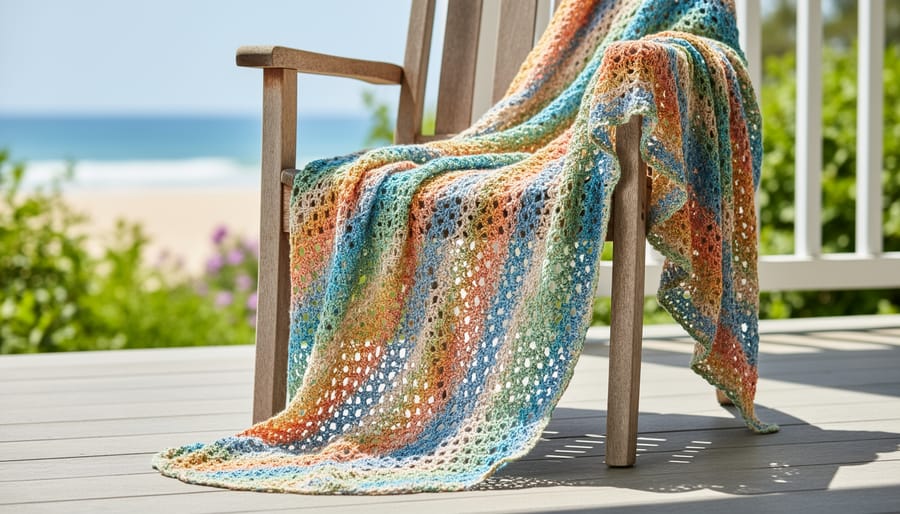
This breezy shawl is your go-to project when you want something elegant but don’t want to overheat. Using only double crochet stitches and chain spaces, you’ll create an open, breathable fabric that drapes beautifully over shoulders without adding bulk. The pattern works up quickly because double crochet is taller than single crochet, covering more ground with each row.
The construction is straightforward: chain your desired length (most patterns start around 60-70 inches for a generous wrap), then work rows of double crochet separated by chain-1 or chain-2 spaces. These gaps create the open weave while maintaining enough structure to hold the shawl’s shape. You can easily adjust the width by working more or fewer rows, anywhere from 12 to 20 rows typically produces a comfortable shawl depth.
Fiber choice makes all the difference here. Cotton and bamboo blends offer breathable coolness and crisp drape, perfect for warm evenings. Linen creates beautiful structure but softens with wear and washing. Silk blends add luxurious flow and sheen, though they cost more. Stick with fingering or sport weight yarns to keep the fabric light; worsted weight works but creates a heavier, less summery result.
The rectangular shape means no increases or decreases to track, making this one of the fastest free crochet patterns to complete. Many crocheters finish one in a weekend. You’ll need minimal crochet supplies just your hook, yarn, and scissors, making it ideal for crafting on the go or as a last-minute gift project.
Finding and Downloading Free Crochet Patterns Safely
Navigating the world of free crochet patterns requires discernment. Reputable sources include Ravelry, where designers upload patterns directly and users leave reviews, established craft blogs with active communities, and yarn company websites that offer free patterns to promote their products. Libraries often provide access to premium pattern databases through platforms like Creativebug. Be cautious with Pinterest pins, as they sometimes link to dead pages or patterns that have been removed.
Understanding copyright protects both you and designers. Free patterns typically allow personal use, meaning you can make items for yourself or gifts, but selling finished products often requires designer permission. Many free patterns explicitly state whether you can sell what you make. Never redistribute PDFs or post copyrighted patterns to sharing sites.
Quality patterns share recognizable markers:
- Clear stitch abbreviations with a key explaining each term
- Gauge information specifying hook size and expected stitches per inch
- Finished measurements showing the shawl’s final dimensions
- Schematic diagrams or photos illustrating construction method
Red flags include vague instructions, missing stitch counts, or patterns with numerous unaddressed errors in comments.
Organize your digital library by creating folders on your device or cloud storage. Name files descriptively (Triangle-Shawl-Worsted.pdf rather than Download47.pdf) and consider a simple spreadsheet tracking pattern name, designer, yarn requirements, and project status. This system prevents re-downloading the same pattern and helps you quickly find projects when inspiration strikes.
Free doesn’t mean second-rate. The eight patterns featured here prove that accessible, well-written shawl patterns exist without a price tag attached. Each one delivers clear instructions and beginner-friendly techniques that build your confidence as you stitch.
Pick the pattern that speaks to your current skill level and your yarn stash. If you’ve never made a shawl before, start with the Simple Triangle or V-Stitch Rectangle. Already comfortable with basic stitches? Try the Half-Circle Lace or Corner-to-Corner design. There’s no wrong choice, shawls are wonderfully forgiving projects that adapt to your tension and yarn substitutions.
These patterns also make thoughtful handmade gifts. A crochet shawl carries warmth and intention, whether you’re stitching for a friend, a family member, or yourself. The repetitive nature of shawl construction gives you time to practice new stitches while creating something beautiful and useful. Grab your hook, choose your pattern, and start your first row today.
Frequently Asked Questions
How much yarn do I need for a crochet shawl?
Most beginner-friendly shawl patterns require between 400-800 yards of yarn, though this varies significantly based on the shawl’s size and yarn weight. Triangle shawls typically use less yarn than rectangular wraps, and fingering-weight yarns need more yardage than bulkier weights for the same coverage.
Can I use a different yarn weight than the pattern calls for?
Yes, but you’ll need to adjust your hook size accordingly and understand that your finished shawl will be a different size. Going up a weight (say, from sport to worsted) creates a larger, faster project, while going down produces a smaller, more delicate piece.
What’s the easiest shawl shape for absolute beginners?
Triangle shawls worked from the top down are the most forgiving for beginners because they start with just a few stitches and grow gradually, letting you build confidence as you go. Rectangular wraps are also excellent starter projects since they require no increases or shaping.
Do I have to follow the pattern exactly, or can I modify it?
Free patterns are great starting points for customization once you understand the basic construction. Feel free to adjust length, width, or colors, but keep the stitch pattern’s repeat consistent to maintain the design’s integrity.
How do I resize a shawl pattern to make it larger or smaller?
For triangle shawls, simply work more or fewer rows until you reach your desired size. With rectangular patterns, adjust the starting chain length for width and continue the pattern rows until you hit your preferred length, just make sure your starting chain is a multiple of the pattern repeat.
Beyond these common questions, remember that crochet shawls are incredibly forgiving projects. Slight tension variations often add character rather than detract from the finished piece, and blocking can resolve minor unevenness. If you’re unsure whether you have enough yarn, weigh your skein before starting and periodically during the project to gauge whether you’ll run short. Most importantly, don’t let perfectionism stop you from enjoying the process, shawls are meant to be comforting both to make and to wear.